
In today’s fast-moving world, everyone seems to be in a rush — rushing to work, chasing deadlines, attending meetings, or managing home and family responsibilities. In all this chaos, one thing that often gets neglected is our diet. For many busy people, eating healthy sounds like a luxury — something we’ll “start next week” or “do when life slows down.” But let’s be honest, life never really slows down.
Between morning alarms, traffic, emails, and late-night work sessions, it’s easy to grab whatever food is convenient — usually something processed, sugary, or fried. Over time, this leads to fatigue, weight gain, stress, and even chronic health issues. The truth is, most people aren’t intentionally eating unhealthy — they’re just too busy to plan ahead.

But here’s the good news: eating healthy doesn’t have to be complicated or time-consuming. With the right approach, even the busiest person can build a balanced, nourishing diet that fits seamlessly into their lifestyle.
But here’s the good news: eating healthy doesn’t have to be complicated or time-consuming. With the right approach, even the busiest person can build a balanced, nourishing diet that fits seamlessly into their lifestyle.
This blog is designed for people like you — professionals, students, parents, and entrepreneurs — who want to eat well but don’t have hours to spend in the kitchen. We’ll explore practical tips, quick recipes, smart food choices, and time-saving meal strategies that actually work.
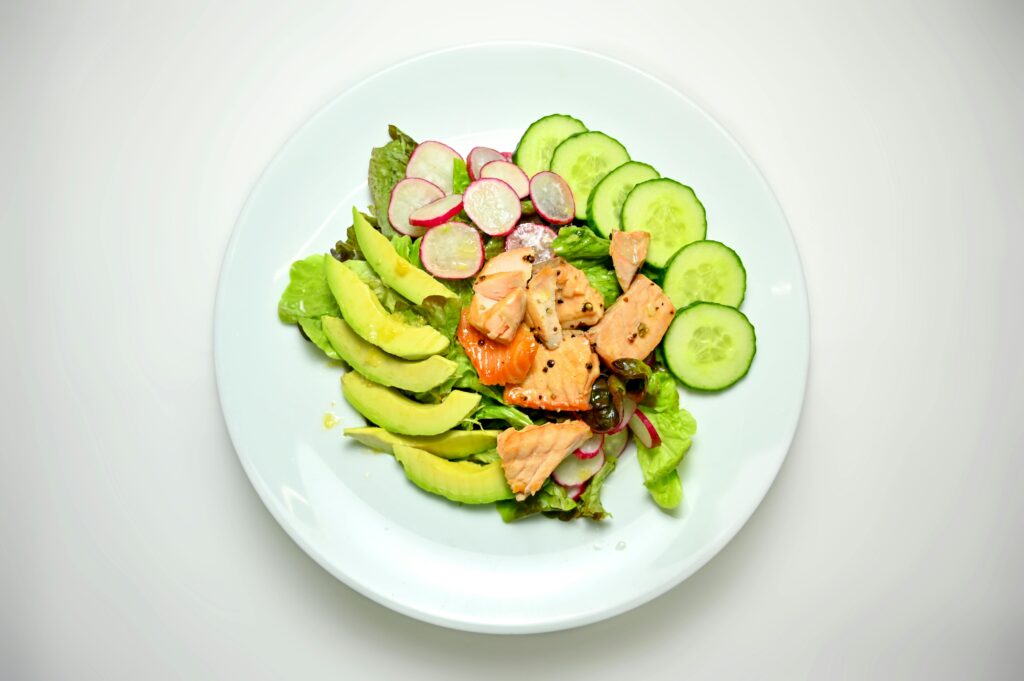

When your days are packed with meetings, deadlines, errands, and endless notifications, it’s tempting to treat food as just fuel — something to grab quickly and move on. But the truth is, what you eat directly affects how you feel, think, and perform every single day.A balanced diet isn’t just about maintaining a healthy weight. It’s about sustaining your energy, sharpening your focus, and improving your overall productivity. For busy people, food can either be your biggest ally or your silent enemy.
Your body needs a steady supply of nutrients to function well — proteins to rebuild tissues, carbohydrates for energy, healthy fats for brain function, vitamins and minerals to keep your systems running smoothly. When any of these are missing, you may start to feel sluggish, irritable, or mentally foggy — even if you’ve had enough sleep.
Skipping meals or relying on junk food can cause sudden spikes and drops in blood sugar, leaving you tired and craving more sugar or caffeine. A balanced diet, on the other hand, keeps your energy levels steady and helps you stay focused throughout the day.

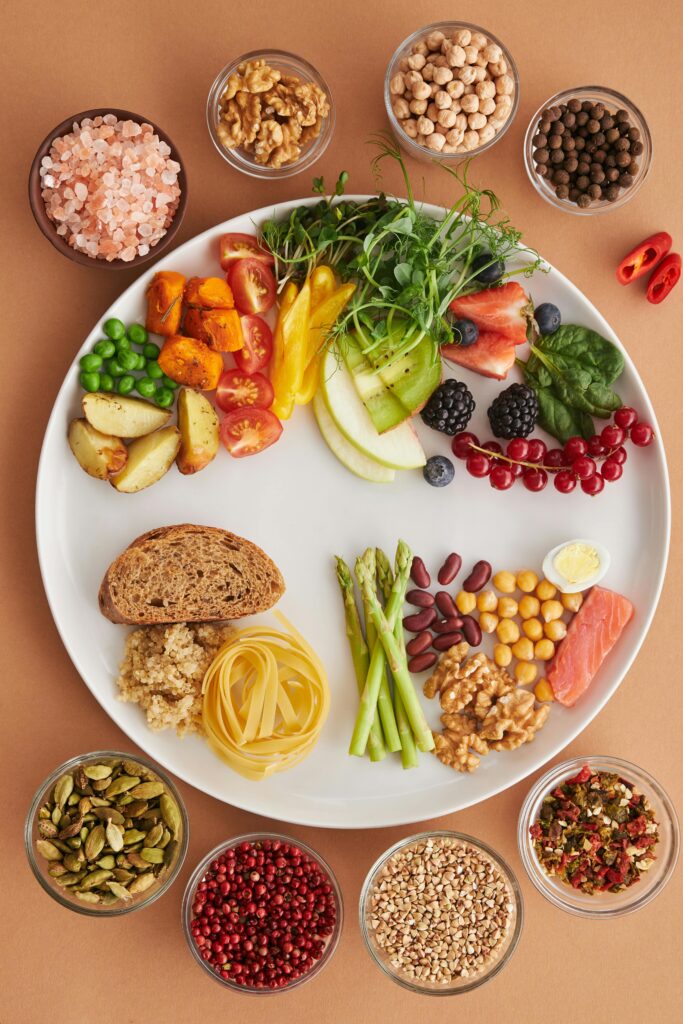
A healthy diet means eating a variety of foods that give your body the nutrients it needs — including carbohydrates, proteins, fats, vitamins, and minerals. It’s about balance and moderation rather than cutting out entire food groups.
A good diet focuses on:
Whole foods like fruits, vegetables, and grains
Lean proteins such as chicken, fish, lentils, and eggs
Healthy fats like olive oil, nuts, and seeds
Plenty of water to stay hydrated
Limited sugar, salt, and processed foods
Benefits of a Healthy Diet:
Boosts energy levels
Improves brain function
Keeps the heart healthy
Helps maintain a healthy weight
Strengthens the immune system
Improves mood and reduces stress
Promotes better digestion
Improves sleep quality
Strengthens bones and teeth
Increases longevity
A healthy diet is the foundation of a strong body and a focused mind. It means eating balanced meals with fruits, vegetables, whole grains, lean proteins, and healthy fats that keep you active all day. When you choose nutritious foods over junk, your energy improves, your skin glows, and your mood stays positive. A good diet supports heart health, boosts the immune system, and helps maintain a healthy weight naturally. Instead of skipping meals or eating fast food, plan simple, wholesome dishes that nourish your body. Small, consistent choices today build a healthier, happier future.